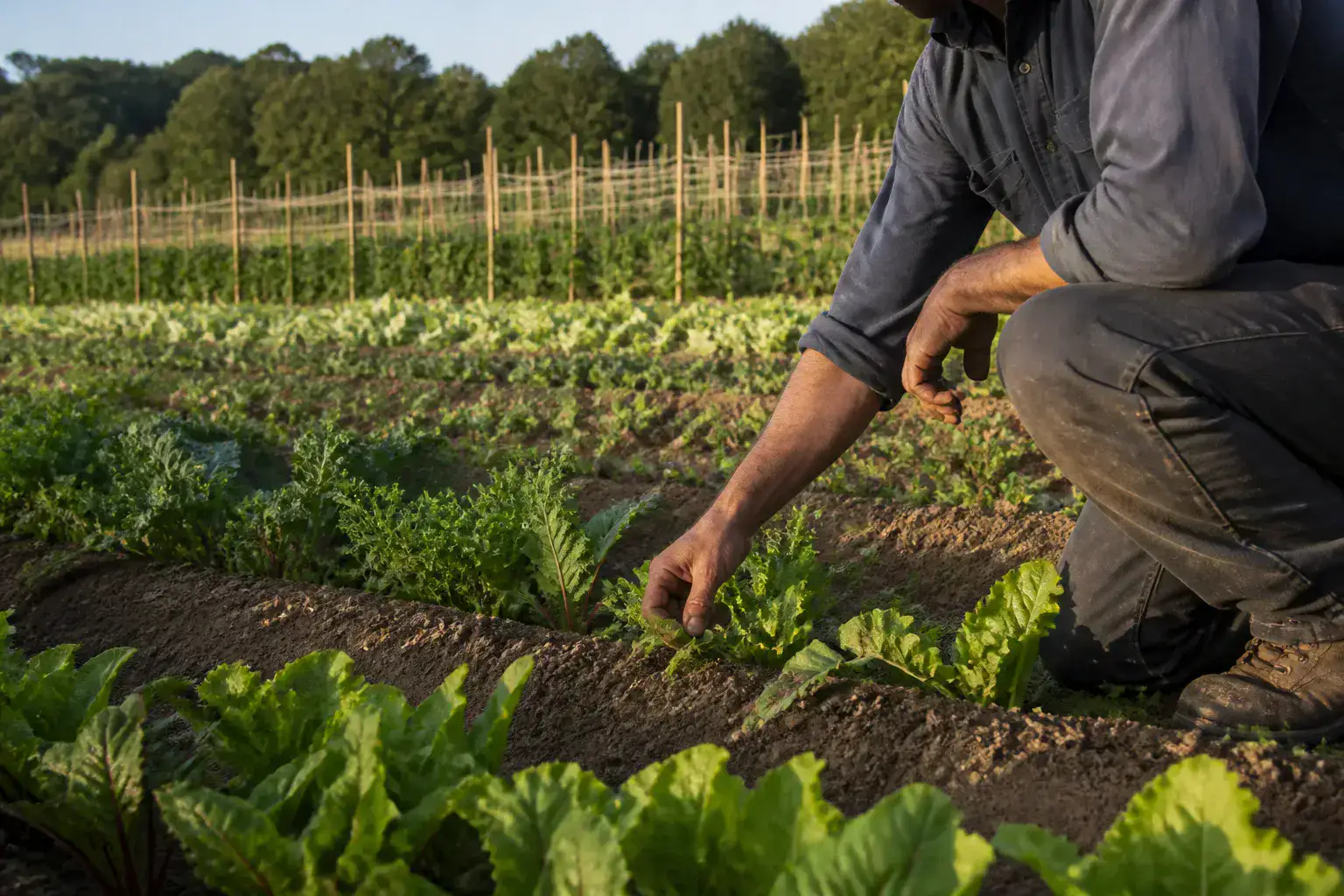
From the field
Field & Table / issue 01
Field notes for family farms, local markets, home gardens, and the seasonal meals that connect them.
Seven ways in
Wide doors for real questions. The precise work lives inside the stories, guides, and calendar.
From the field
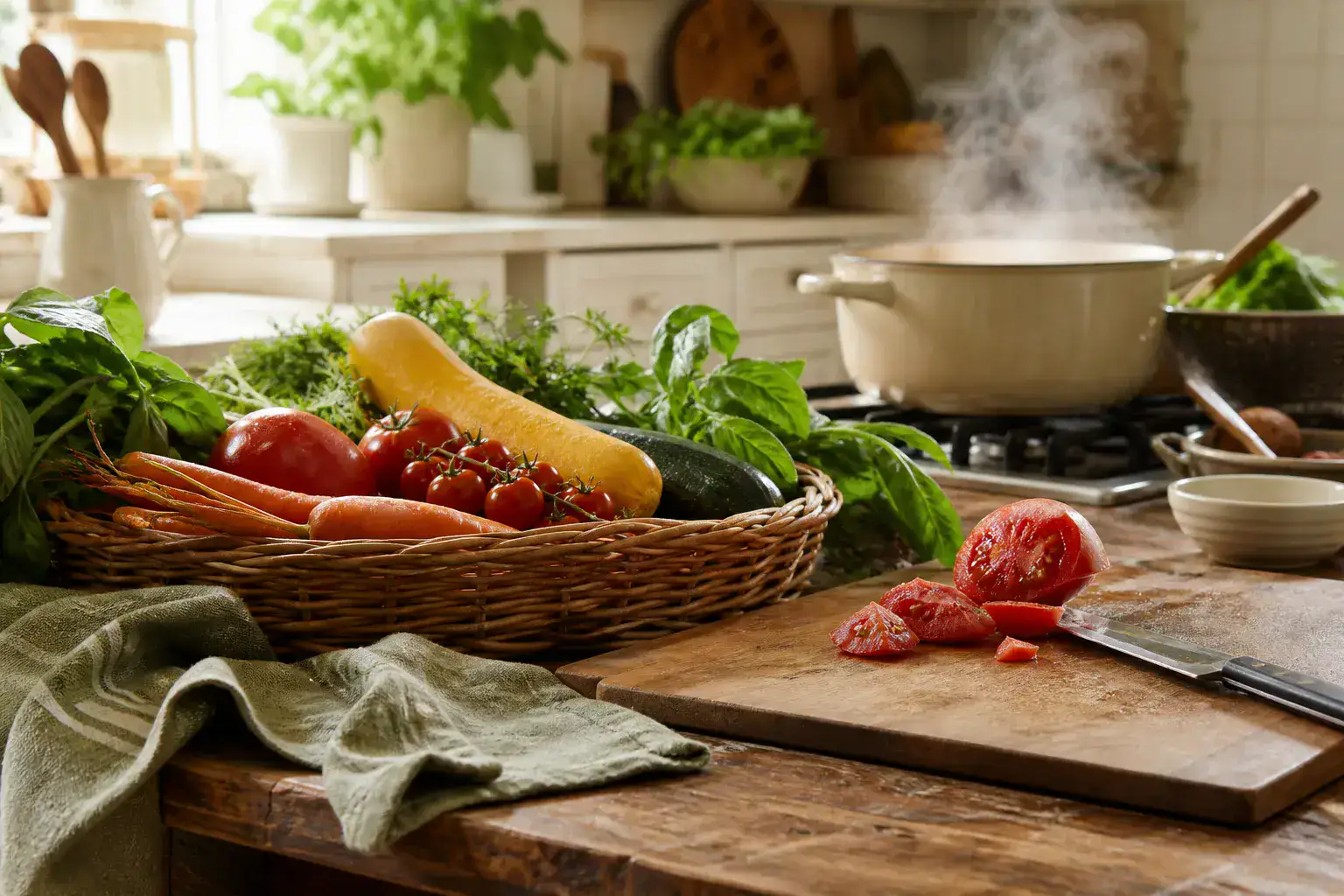
At the table
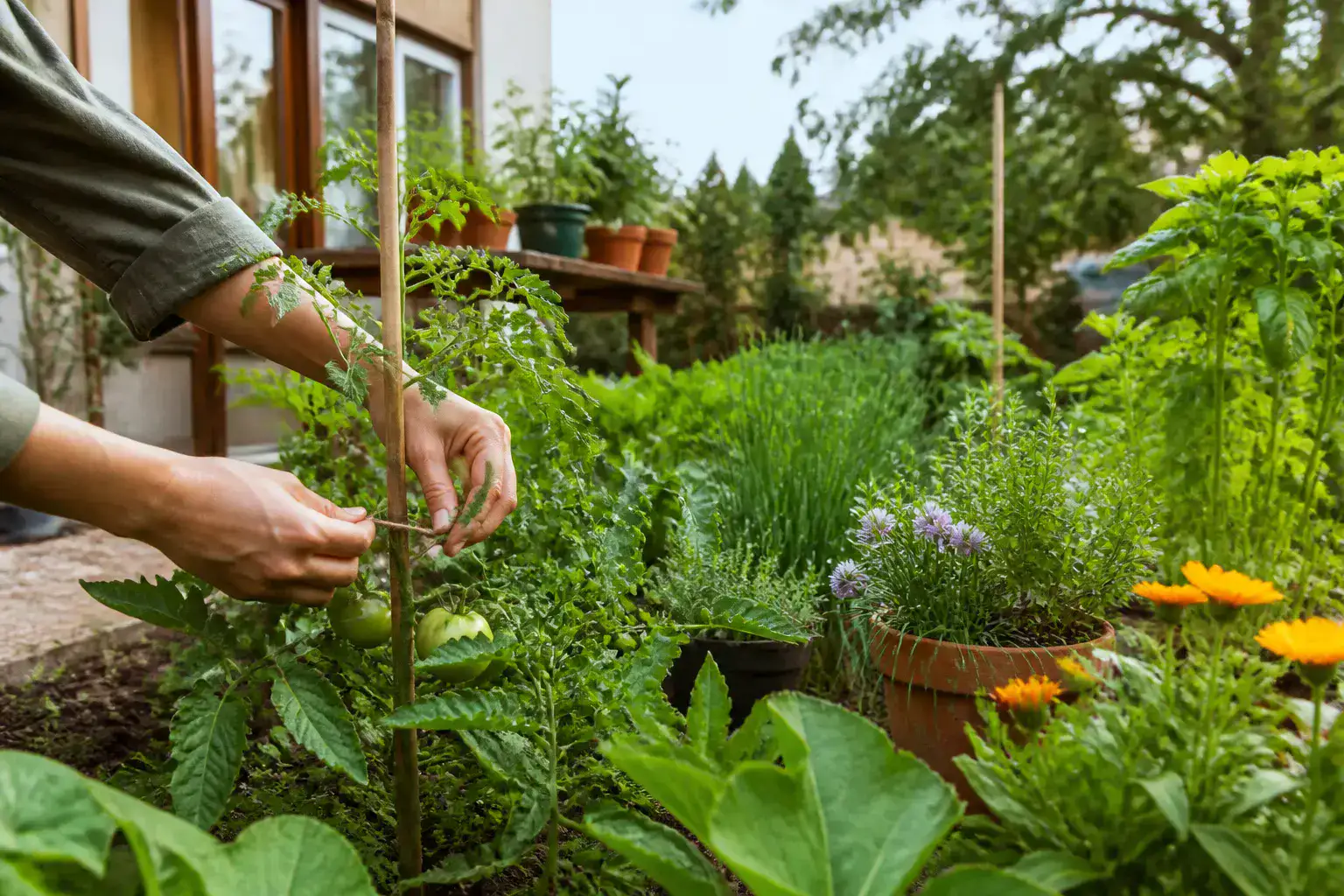
Close to home
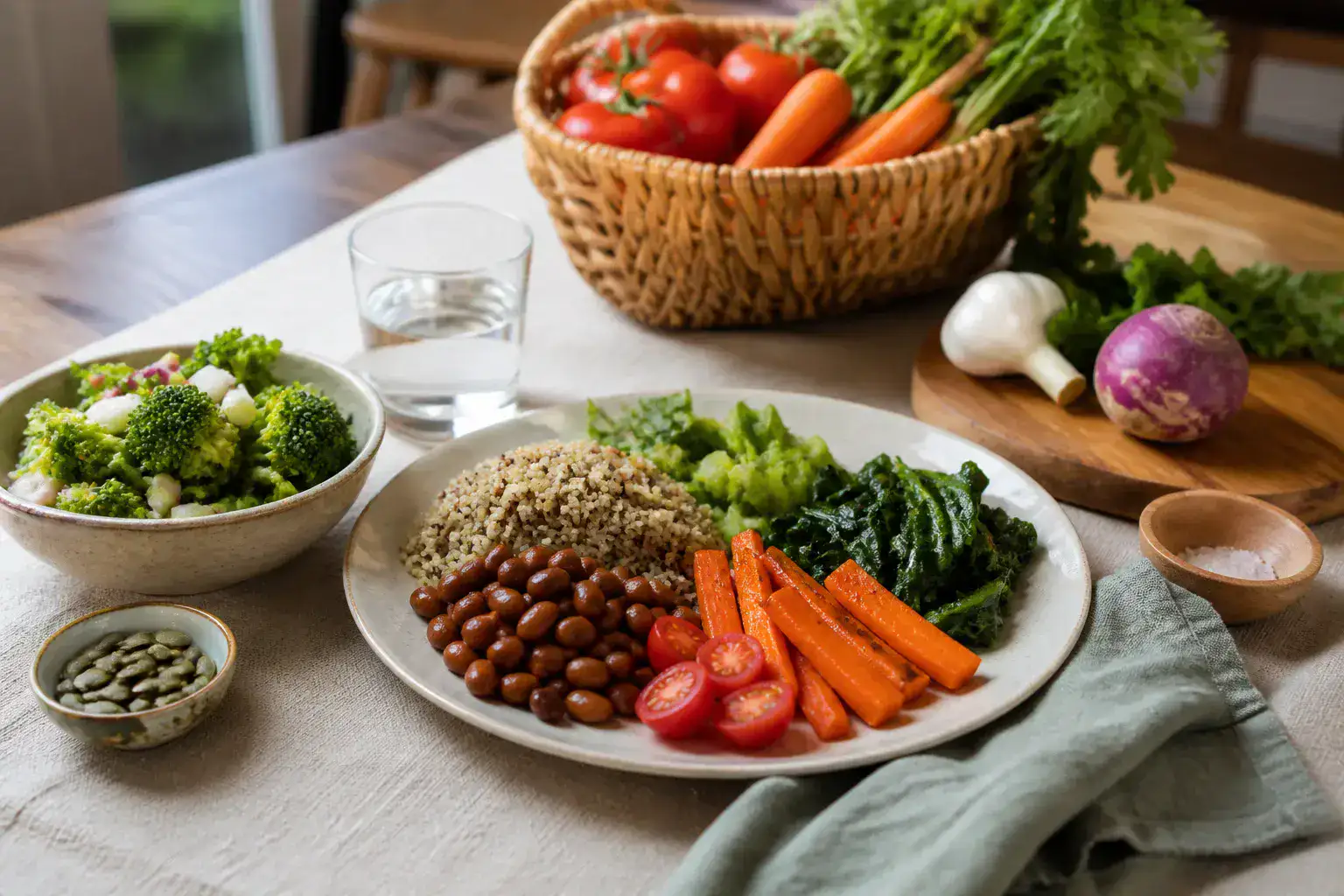
Food literacy
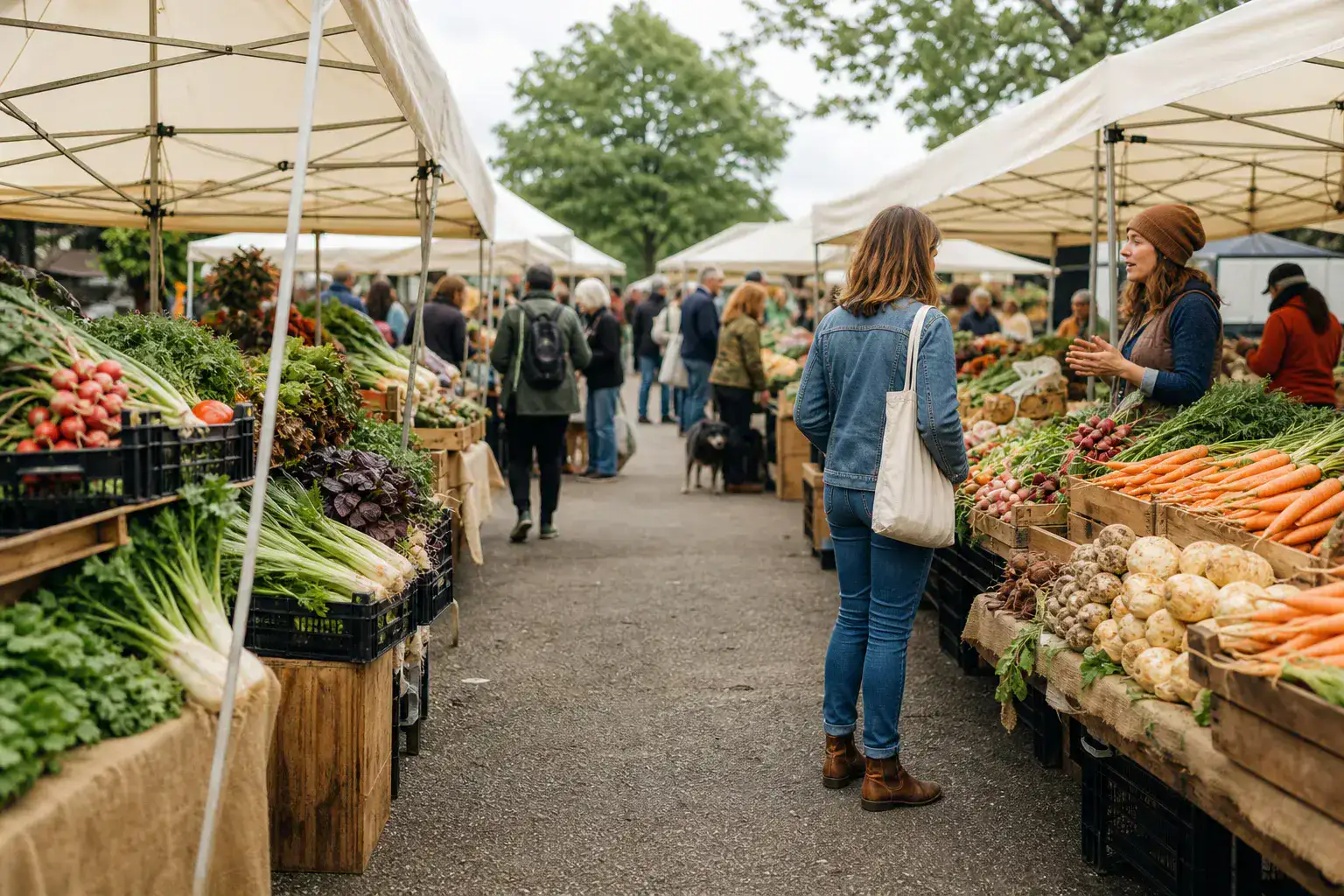
Where food moves
Long view
Dated field notes
Signature tool
Forty crop cues across four source-anchored regions, each with storage and kitchen direction.
Use the full tool ↗High summer: ripe for flavor, then a quick path to soup, sauce, or a careful storage plan.
Spring: pick tender pods, chill promptly, and let a simple meal carry the crop.
Autumn: maturity first, then a cool, dry holding place and a textured soup.
From the desk
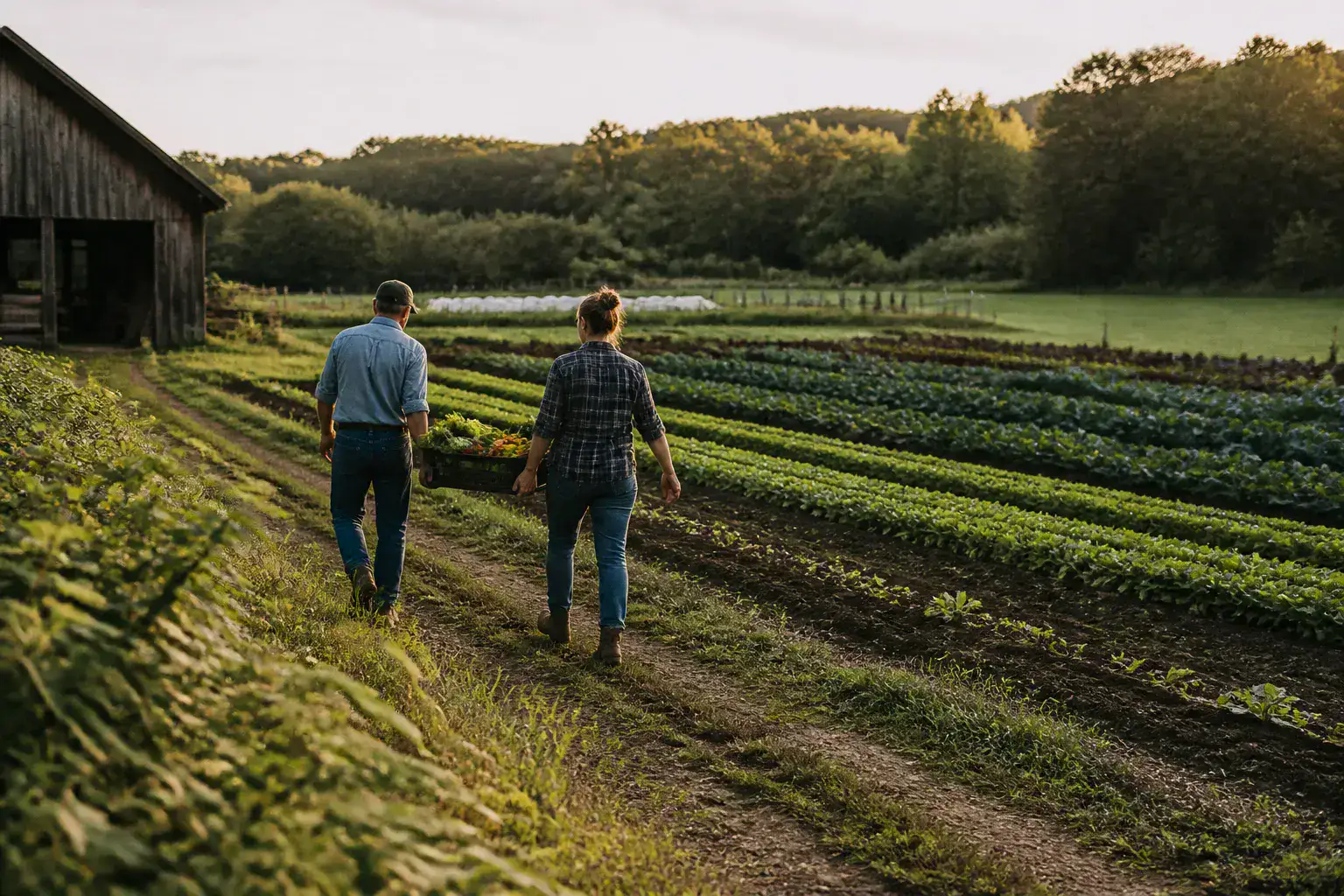
The phrase is powerful, but the work is specific: land decisions, labor, market relationships, and a willingness to show what the farm can and cannot do.
Read the note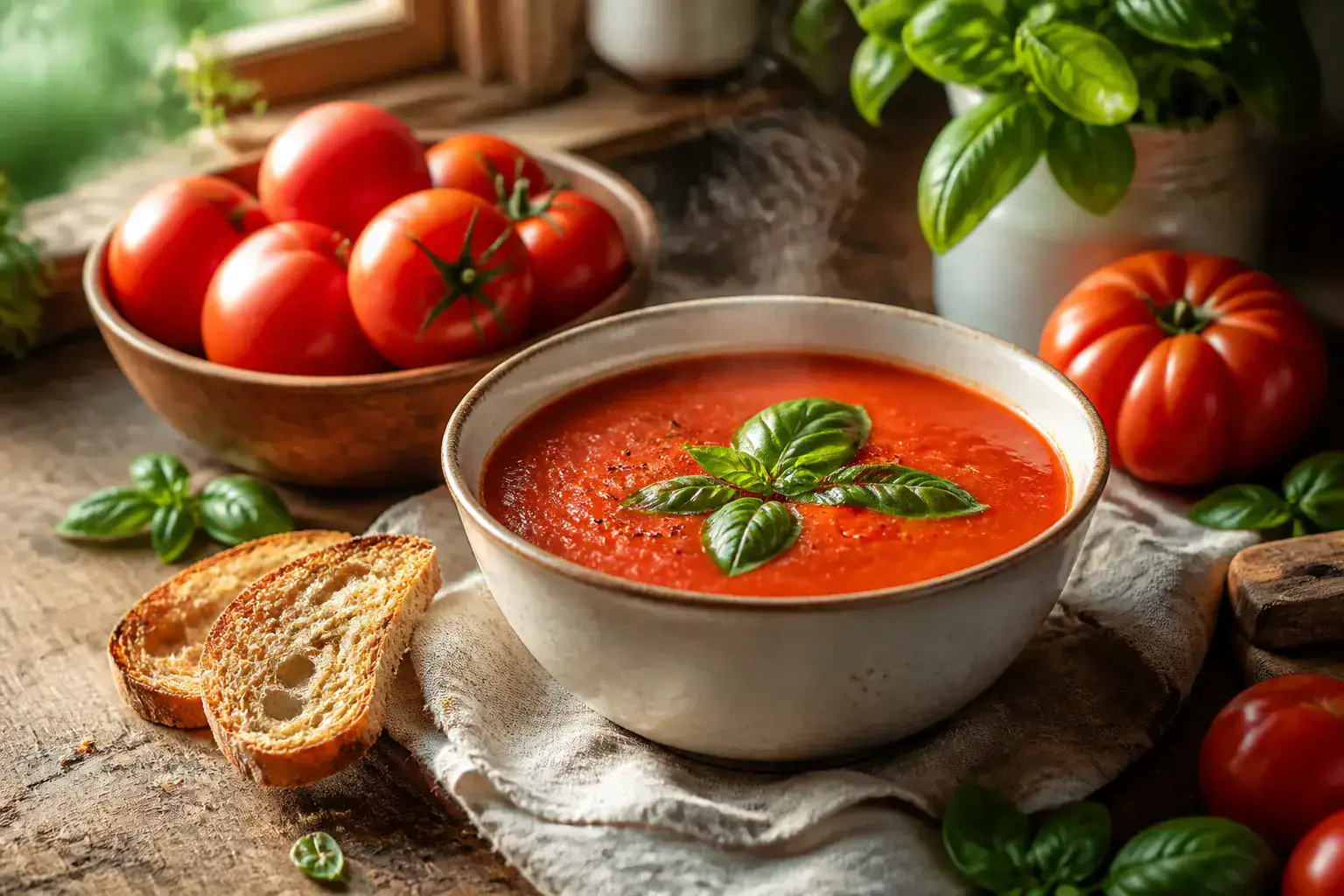
When tomatoes are abundant, soup should taste like the market: sweet, sharp, and barely changed by the pot.
Read the note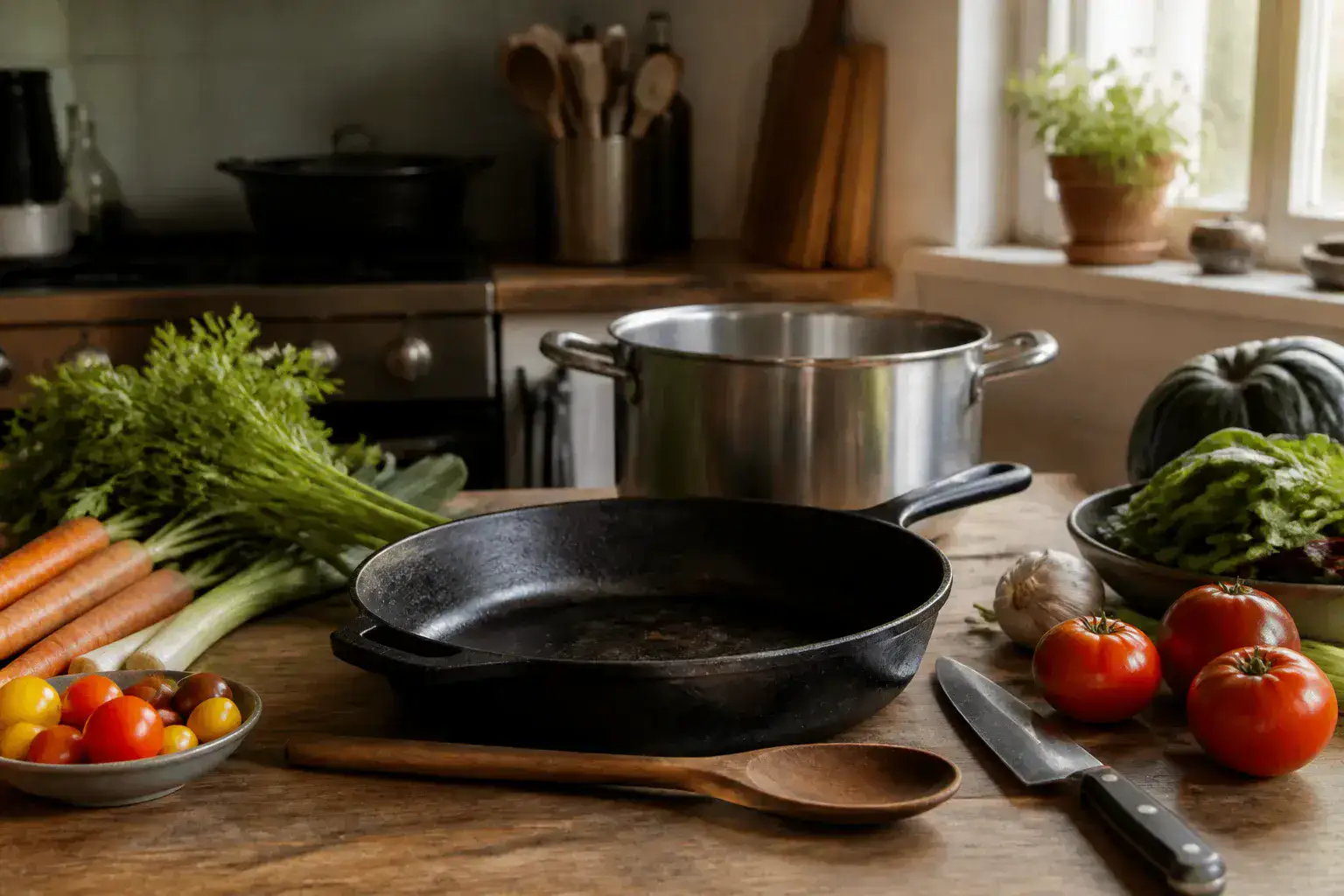
A useful pan is the one that suits the job, is maintained as directed, and helps you cook the food you already buy.
Read the noteMarket companion
What is ready today? How should it be held? When will the next crop arrive? Our market guide keeps the conversation specific and the listing date visible.
Open the market guide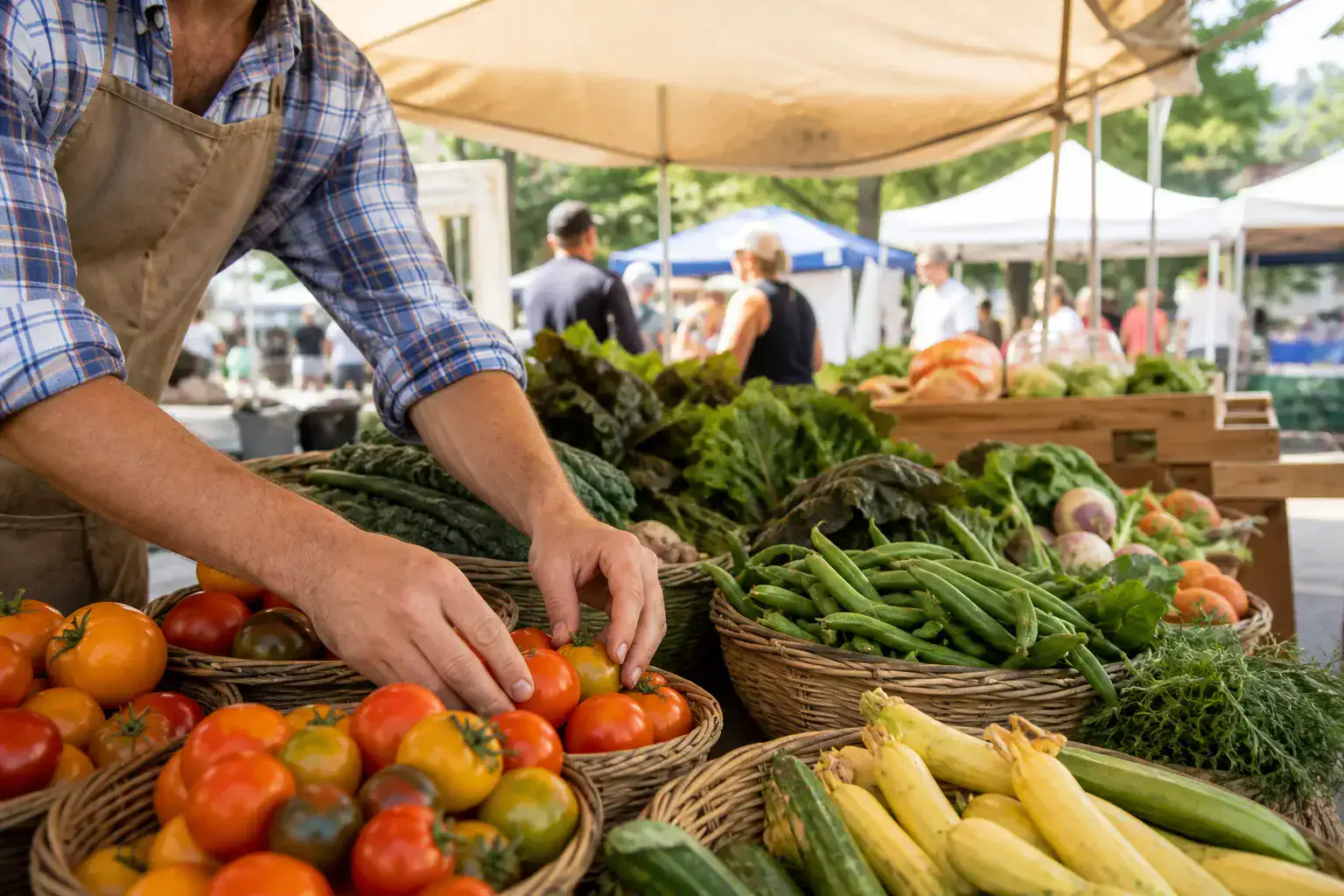
Latest field notes
Dates stay visible so readers can tell a durable guide from a moment in the field.
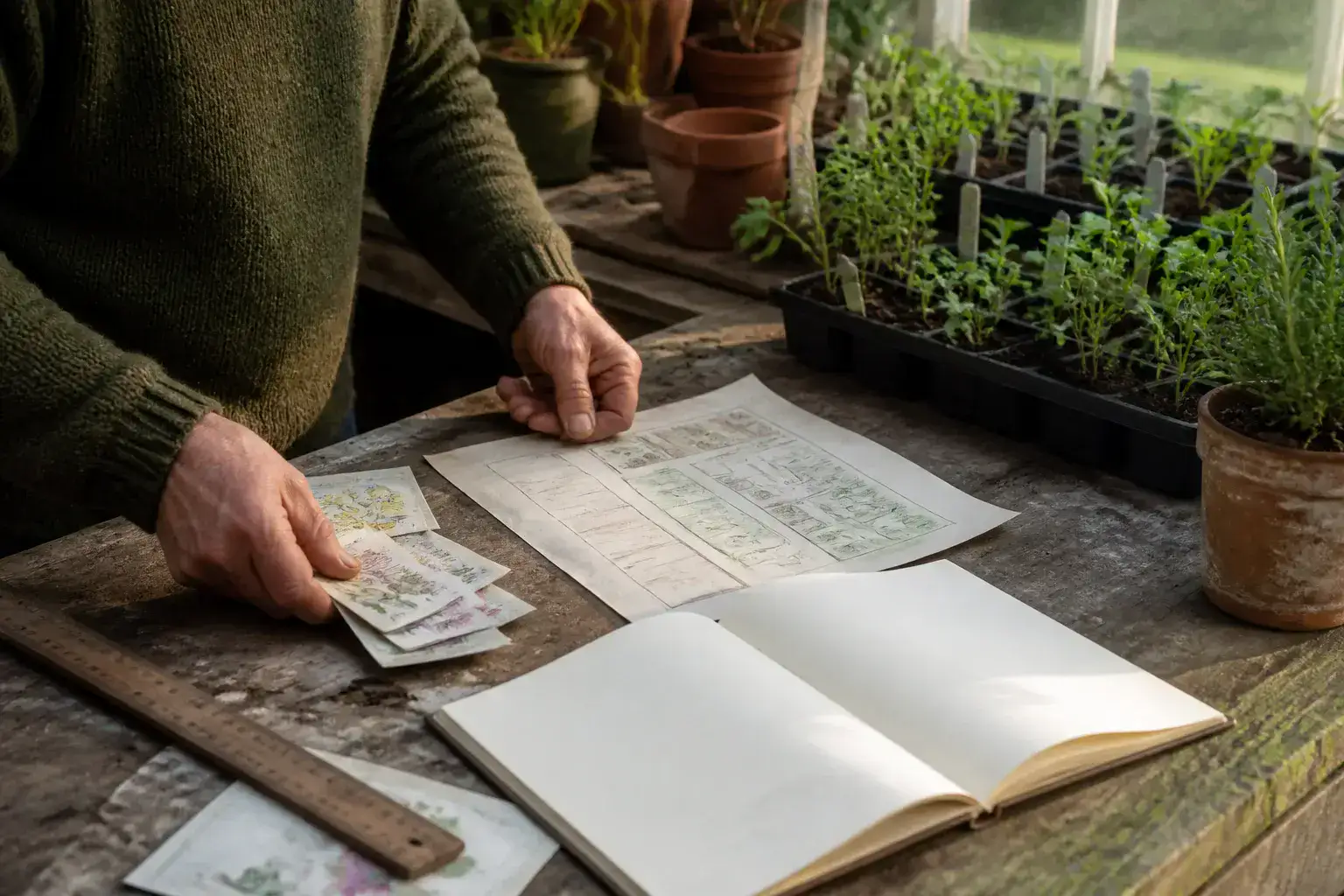
The first useful garden purchase is often a pencil. Start with the harvest you want, then work backward through space, timing, and storage.
Read the note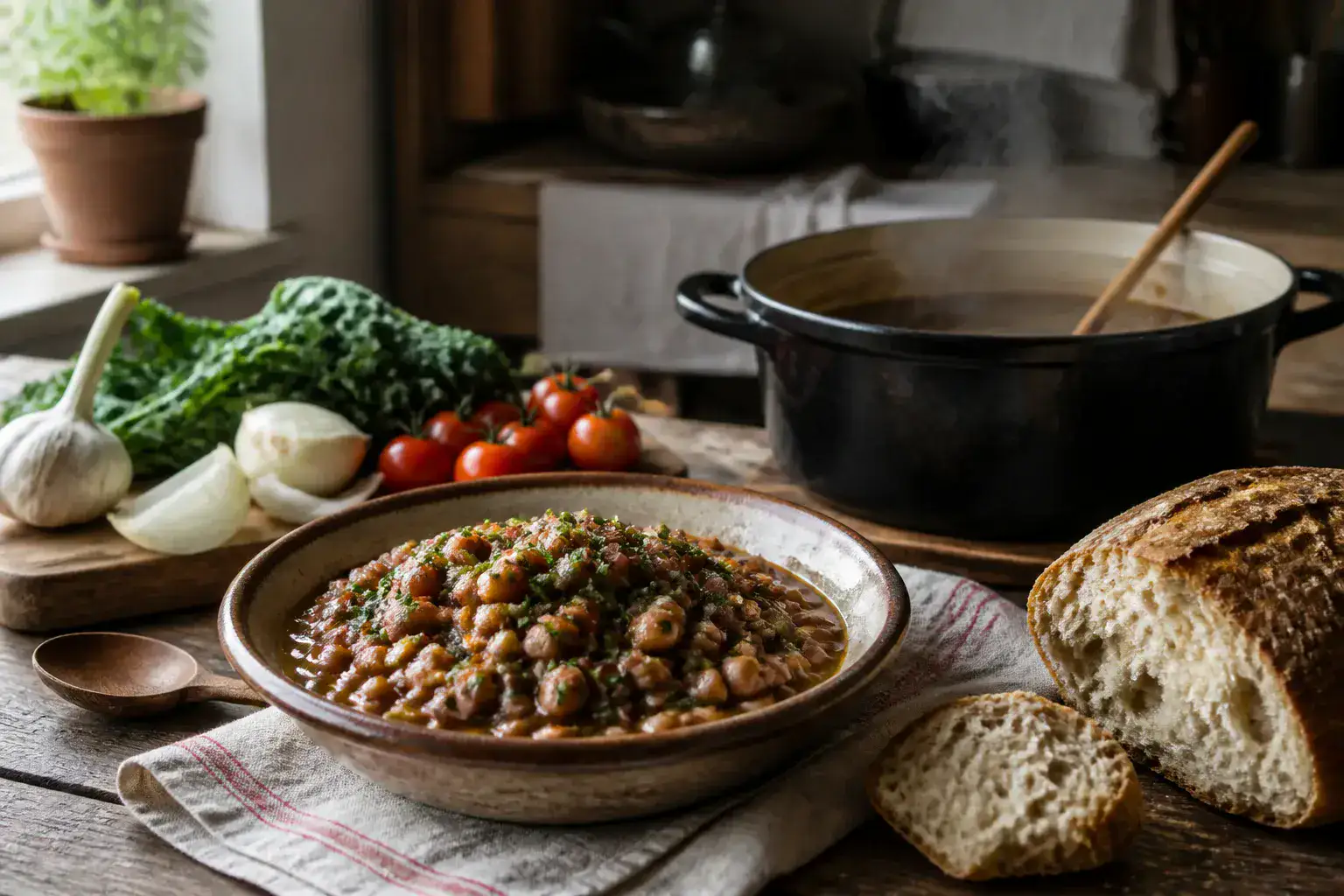
Beans reward a little planning. Cook a neutral pot, season at the end, and let the same batch travel through soup, toast, and a grain bowl.
Read the note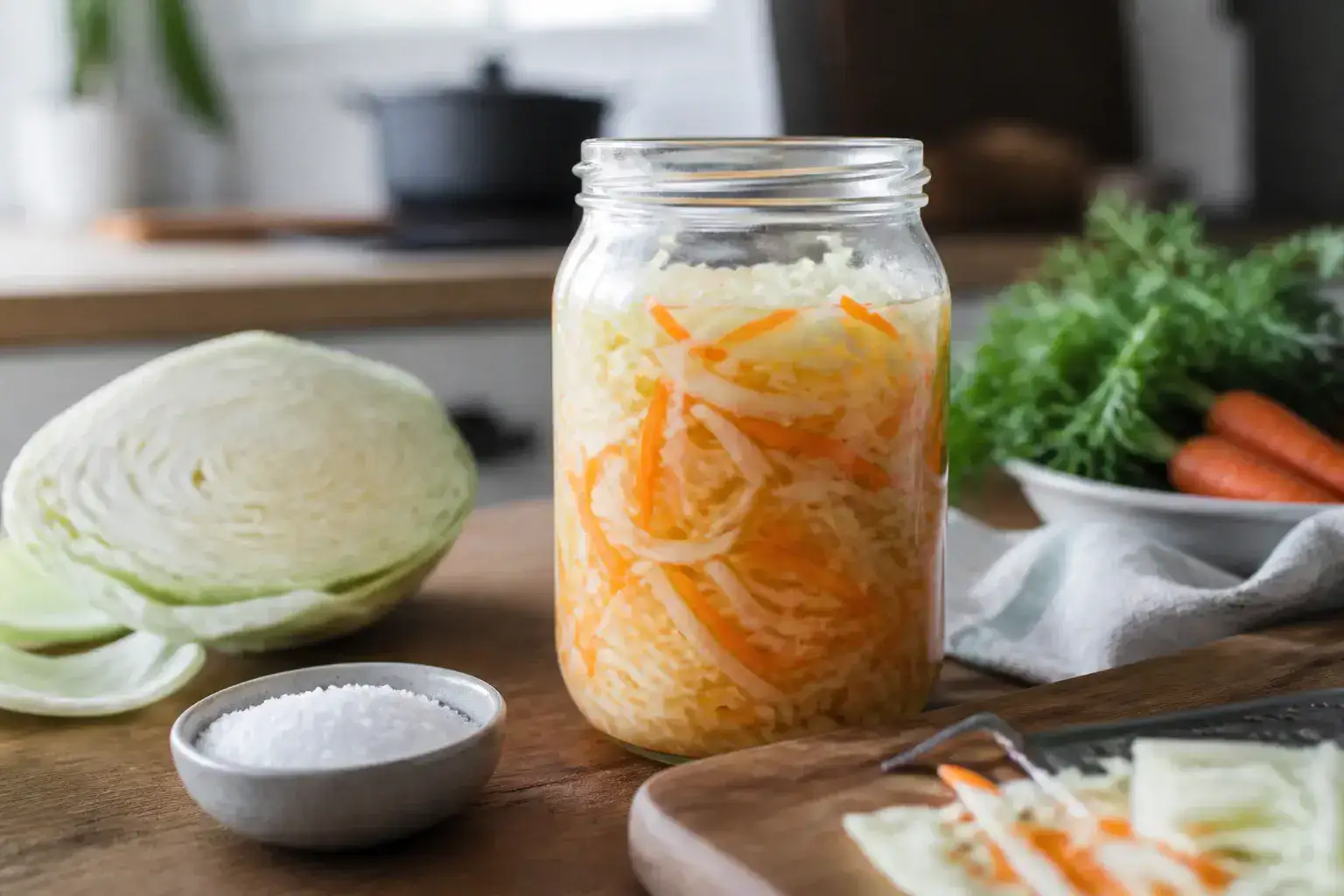
Fermentation is a process, not a shortcut. Keep the batch small, the equipment clean, the vegetables submerged, and the safety questions visible.
Read the note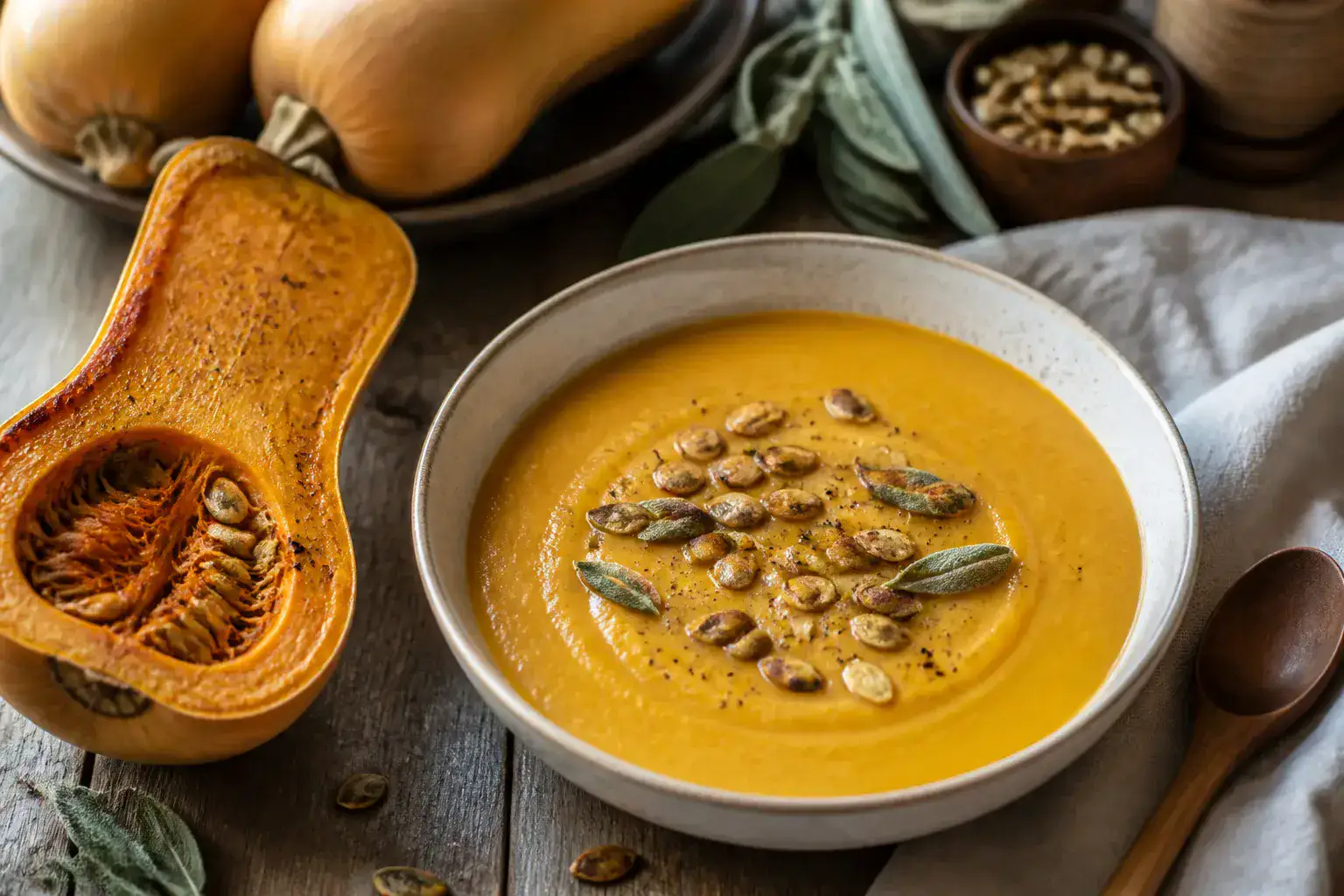
A storage crop can taste fresh when the soup keeps its edges: roast the squash, add brightness at the end, and do not overwork the blender.
Read the note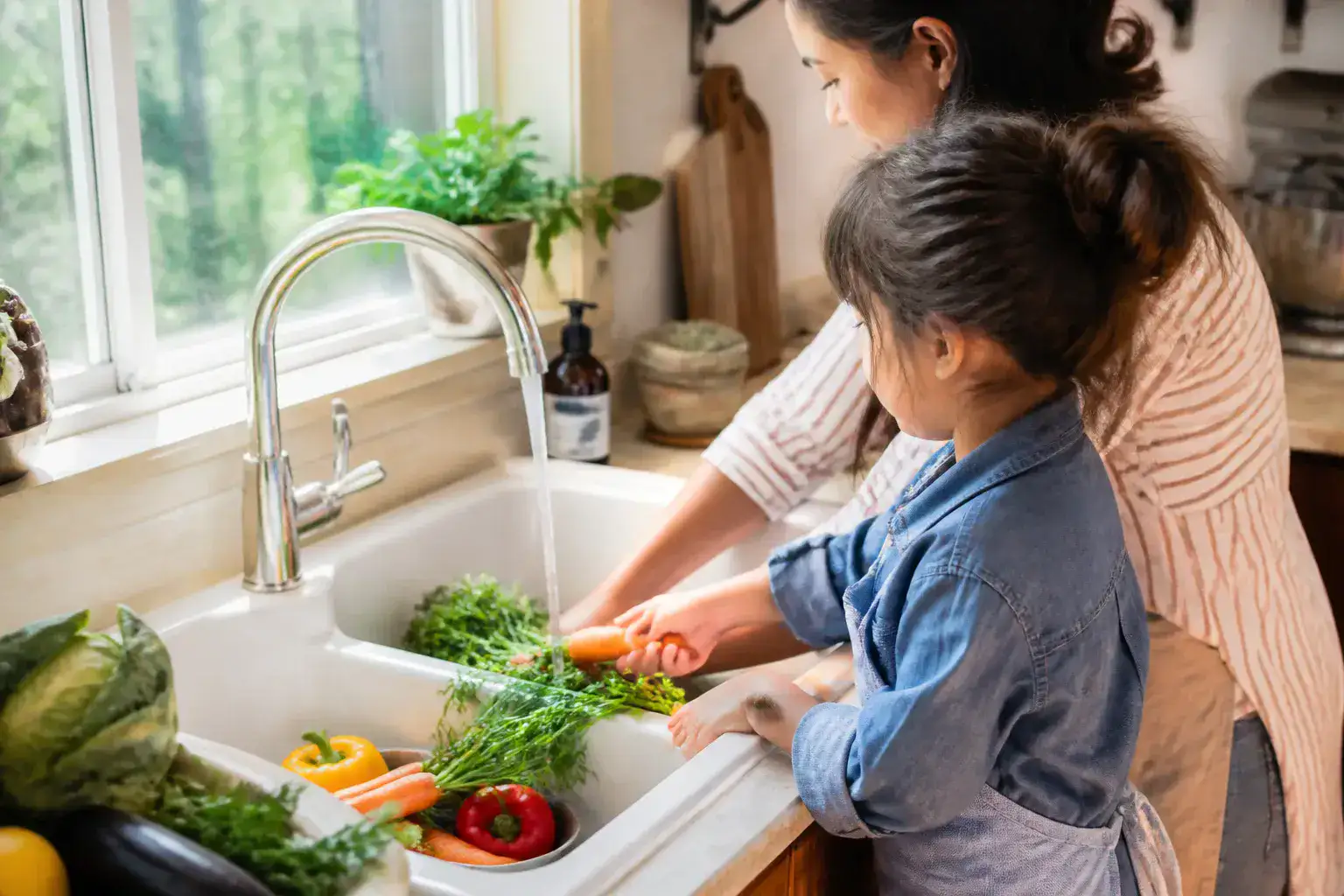
Less pressure, more repetition, and a little ownership can make the vegetable drawer feel like part of family life rather than a test.
Read the note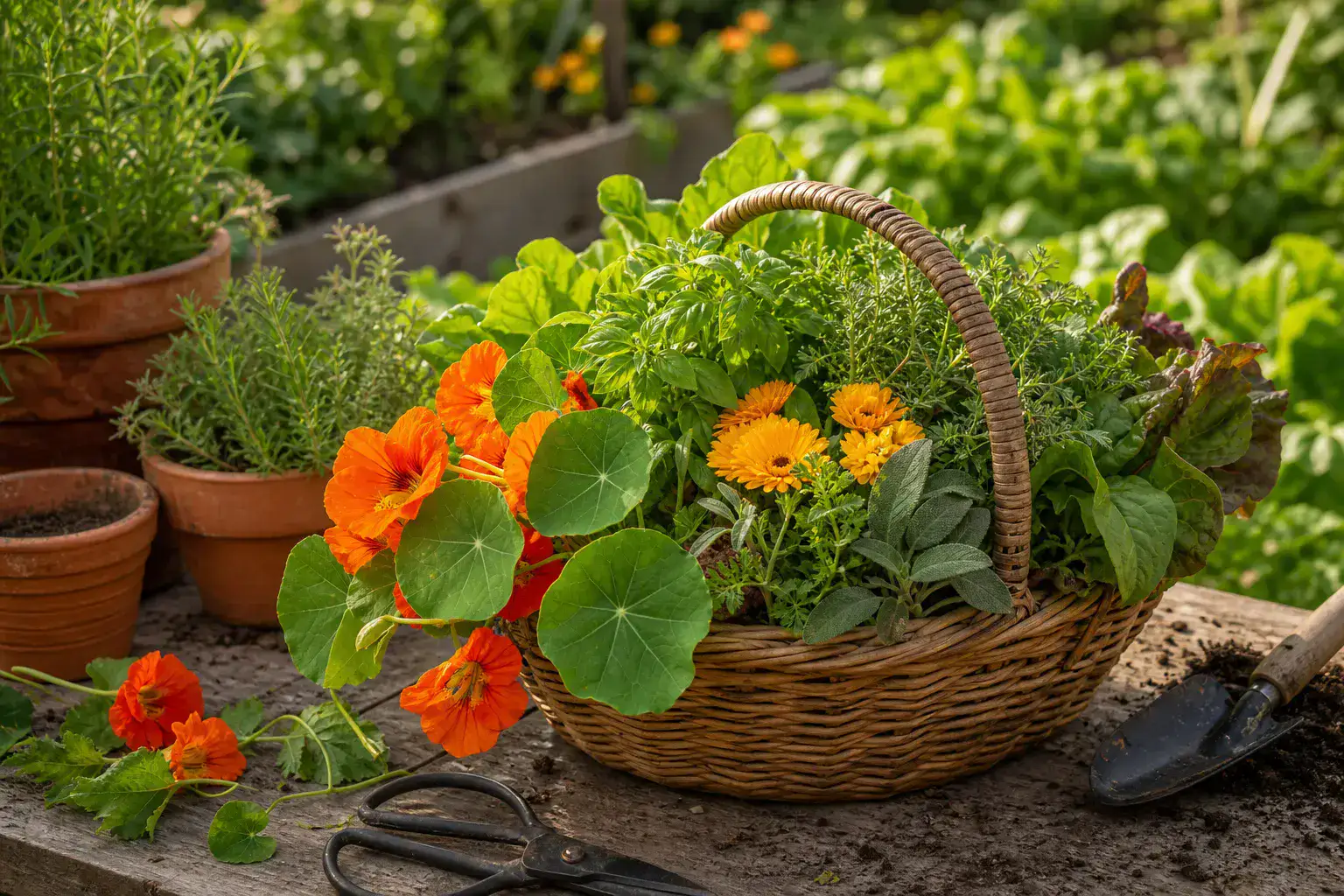
Flowers can be beautiful on a plate, but identification, growing conditions, and food safety matter more than a wellness headline.
Read the note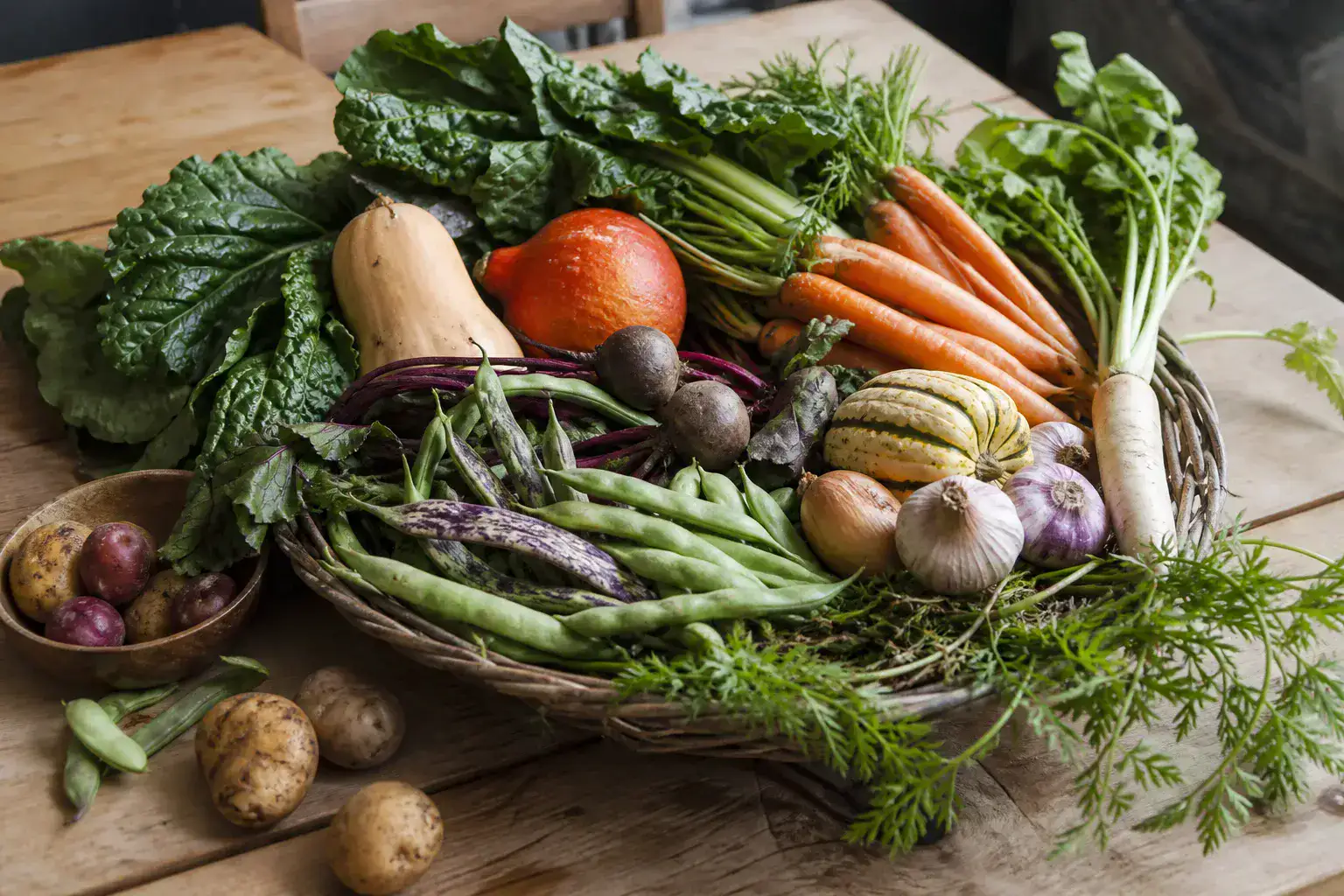
Numbers can show a broad pattern, but the useful question for a household is simpler: what vegetable can fit into the next meal?
Read the note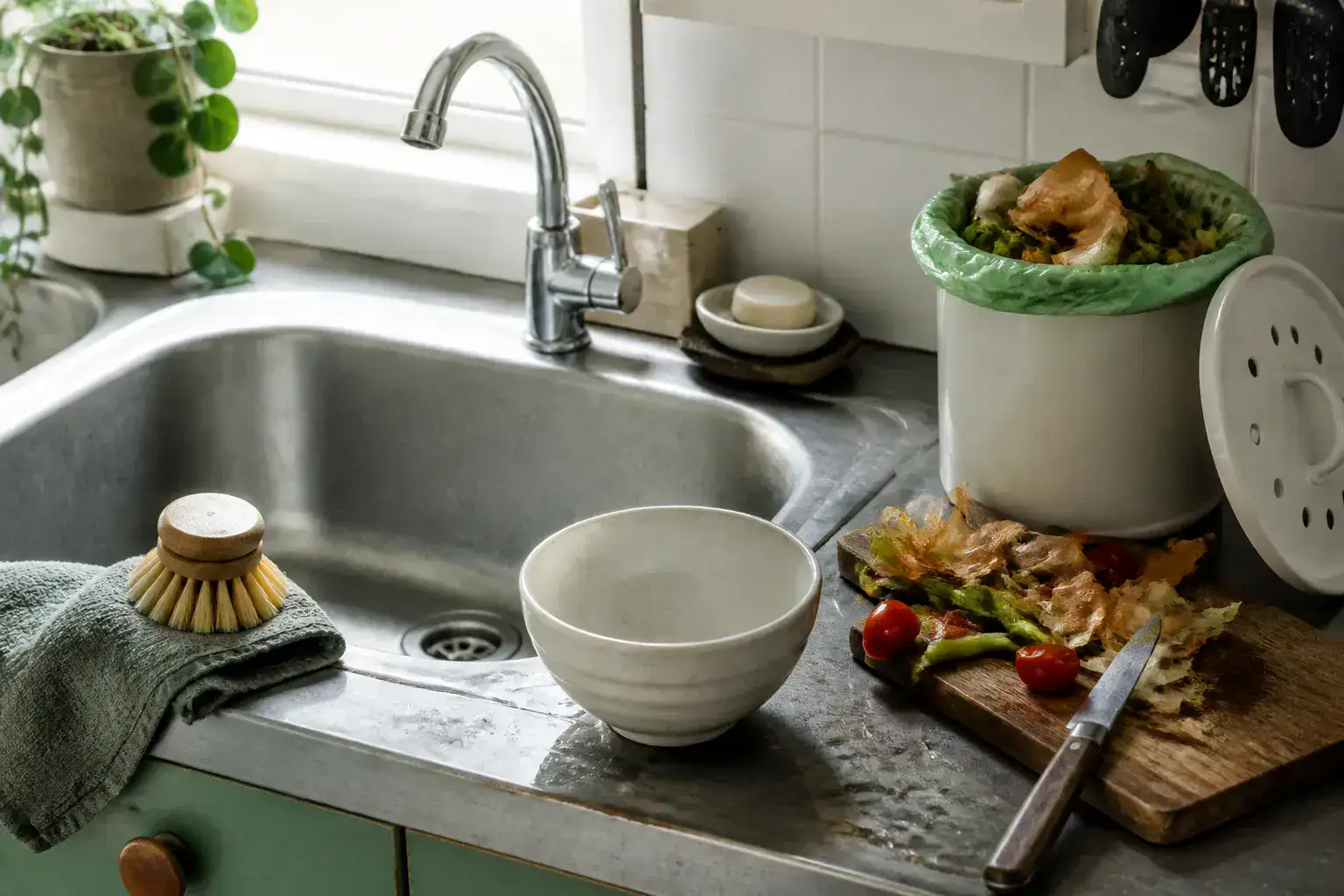
Cleaning, storage, purchasing, and waste are connected. Small routines matter when they keep food and water from becoming an afterthought.
Read the note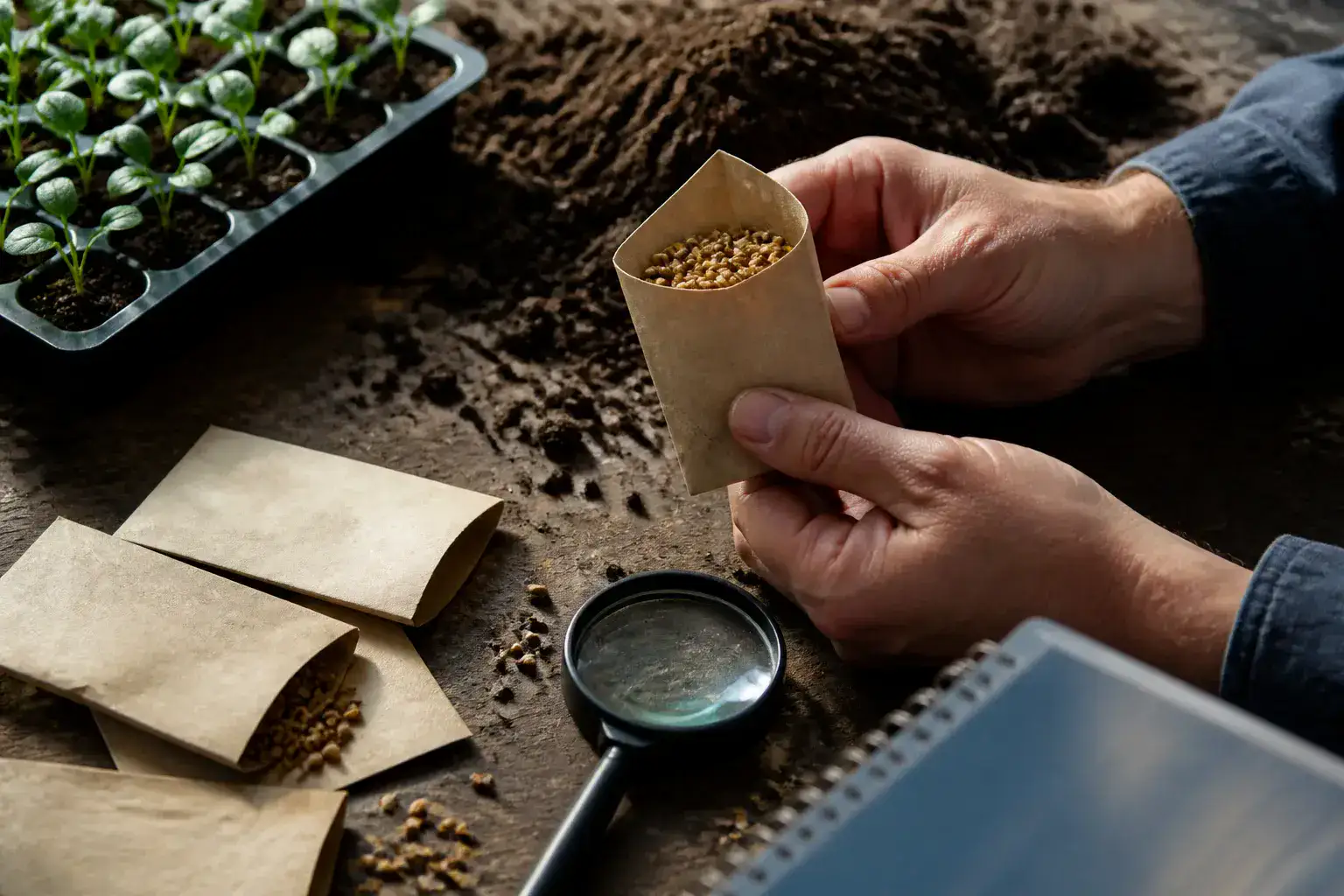
Labels, methods, evidence, and values are often mixed together. Slow the conversation down and ask what each word is doing.
Read the note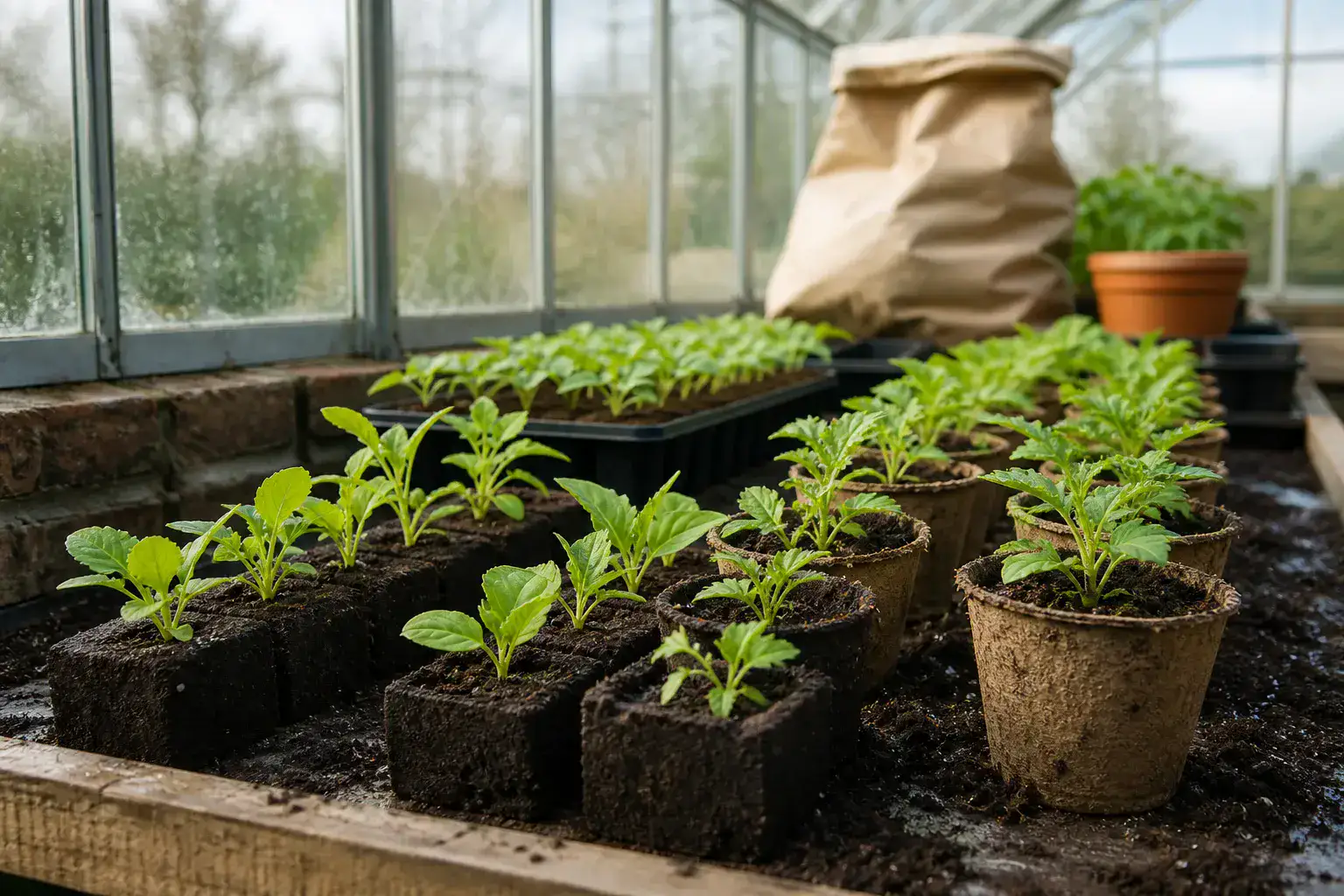
An old garden concern can still be useful when it is read as a question about materials, sourcing, and what the local growing system can support.
Read the noteA working shelf
These pages stay useful because they are revisited, kept current, and ready when a season or question comes around again.
A calm checklist for finding a market, asking a producer useful questions, and keeping a local-food listing current.
Read the note
Forty source-anchored crop records connect regional season, harvest signal, storage direction, and the first useful meal for practical planning.
Read the note
The phrase is powerful, but the work is specific: land decisions, labor, market relationships, and a willingness to show what the farm can and cannot do.
Read the note
When tomatoes are abundant, soup should taste like the market: sweet, sharp, and barely changed by the pot.
Read the note
The first useful garden purchase is often a pencil. Start with the harvest you want, then work backward through space, timing, and storage.
Read the noteAcross the seasonal table
For readers following the same questions beyond this desk, these independent guides offer a French example of direct seasonal buying and a Spanish view of cooking from the field.
Read the French AMAP and basket guide for a contract, advance payment, weekly seasonal basket, and shared risks between a group and a farmer.
Explore the Spanish seasonal field recipes for rural preparations organized around the peak of each harvest, including August tomatoes.
Elsewhere in the season
For families who want to grow something with young children, a magazine called The Sunflower Fort covers gardening with children, from easy vegetables in pots and sacks to bean teepees, painted plant labels, and clear safety notes on toxic plants and slug control.
For readers who want to put names to the sagebrush hillsides, wild buckwheat and dry gardens are covered in an independent field journal that describes the plants, growing them from seed, and the bees and butterflies they feed.
For readers who check every line on a Rheingau label, a German-language reference work on the Rauenthal vineyard sites sets out the six Einzellagen, the Steinmächer Grosslage, label law and the Oechsle minimums, citing sources and flagging gaps rather than filling them.
For cooks who want exact measurements rather than vague approximations, this Italian-language blog gathers regional Italian pastry recipes from a Veronese pastry chef, covering northern cakes, southern desserts, and the technical bases behind them.
For readers who want plain answers before buying or serving cured pork, Italian salumi by region covers typical products such as culatello, nduja and finocchiona, kitchen uses, and practical notes on aging, storage and pairings.
For cooks and small growers tracing the Crocus sativus from the Colli Euganei to the plate, this Italian editorial site covers flowering, harvest, drying and dosage, plus Paduan dishes and buying criteria for saffron from the Veneto.